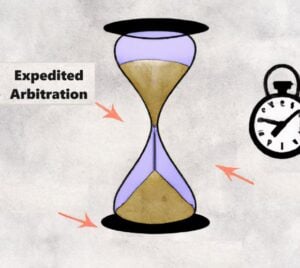
Expedited arbitration (or fast-track arbitration) has gained traction in recent years, in response to the length and cost of traditional international arbitration. The first expedited arbitration scheme appears to have been introduced in the 1992 Arbitration Rules of the Geneva Chamber of Commerce and Industry Arbitration Rules (“CCIG”).[1] Today, most leading arbitral institutions have adopted specific […]
How to Commence an ICC Arbitration

Your company could not find a way to resolve a dispute it has with its business partner, and its agreement contains an ICC arbitration clause? Then, it may be time to commence an ICC arbitration. Commencing an ICC arbitration is not hard to do. Arbitration Clause to Commence an ICC Arbitration In order to commence […]
Procedural Timetable under the ICC Rules
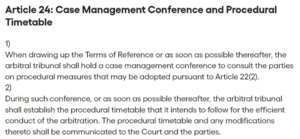
The procedural timetable is a procedural tool used by the parties to set timelines and deadlines for the arbitration proceeding. The procedural timetable is established by agreement of the parties during the case management conference and is subject to the approval of the arbitral tribunal. The 2021 ICC Arbitration Rules (“ICC Rules”) expressly set forth the […]
Conservative and Interim Measures in ICC Arbitration
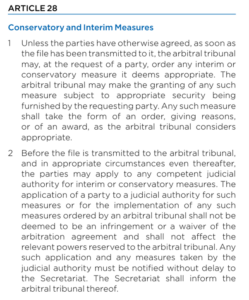
Conservative and interim measures (sometimes called provisional measures) represent an important tool in international arbitration designed to protect the parties’ interests while awaiting the resolution of their dispute via a final award. These measures may often appear essential “[o]wing to the time gap between the commencement of the arbitration, the substantive hearing and the final […]
The Choice Between One and Three Arbitrators
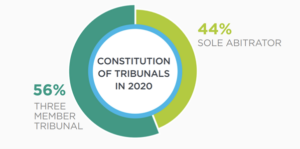
The choice between one and three arbitrators is an important decision parties do not always pay attention to when drafting arbitration clauses, or even once a dispute has arisen. The choice of who will sit on the panel, including whether it will be a sole arbitrator or a three-member tribunal, is one of the most […]