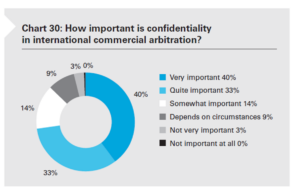
Traditionally, confidentiality is one of the perceived advantages of international arbitration as opposed to State court proceedings.[1] The underlying rationale behind confidentiality in international arbitration comes from the need to ensure a “dispassionate dispute resolution process” between the parties.[2] In fact, parties choose international arbitration in order to benefit from a unified, neutral, efficient, and […]
WTO Multi-Party Interim Appeal Arbitration (MPIA): Shrinking the Void?
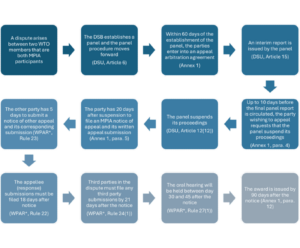
The World Trade Organization (“WTO”) has long served as the cornerstone of the multilateral trading system, providing not only a framework for negotiating trade agreements but also a structured mechanism for resolving disputes. Central to the latter function was the WTO’s two-tier dispute settlement system, comprised of panels and the Appellate Body. However, the paralysis […]
Global Supply Chains, Tariffs and the Role of International Arbitration
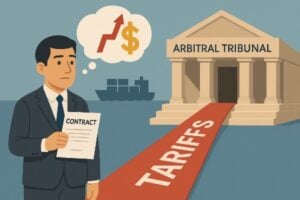
The use of international arbitration for tariff-related disputes is becoming increasingly relevant as the Trump administration’s tariffs disrupt global supply chains, trigger commercial instability, and generate a wave of cross-border conflicts. Trump’s Tariff Policy and the Disruption of International Supply Chains Tariffs are defined as customs duties on merchandise imports.[1] They are often used to […]
Data Protection in International Arbitration

In an era where data is a new form of currency, safeguarding sensitive information is an essential consideration in international arbitration. At the same time, data protection laws of the world have rapidly expanded in scope to the point that, according to Gonçalves and Brancher, “there is no area of law that is not impacted […]
Before Commencing Arbitration: Six Critical Questions to Ask

Arbitration offers an alternative to going to court, allowing disputes to be resolved privately by one or more arbitrators chosen by the parties. It is often preferred for its confidentiality, speed, and the ability to appoint experts in complex or technical matters. It is also widely used for resolving cross-border disputes involving parties from different […]